Picture of Alan Xiao
Alan Xiao

The founder of Sourcing Pioneer

How to Find Reliable Manufacturers in China | Distinguish Manufacturer VS Trader

Introduction

For global importers and B2B business buyers, how to find reliable manufacturers in China and distinguishing manufacturer VS trader is one of the most essential sourcing skills. Many international buyers suffer from overpriced goods, unstable quality, delayed shipments, and even supplier scams simply because they cannot tell real factories from trading middlemen.
It’s critical to clearly define who is a trader in supply chain first before learning how to distinguish manufacturer from trader effectively. A supply chain trader acts as an intermediary. Traders purchase finished goods from manufacturers, add profit markups, and resell products to global buyers. They own no production lines, no manufacturing equipment, and cannot control production quality, customization processes, or delivery schedules.
How to Find Reliable Manufacturers in China
In comparison, genuine manufacturers control the complete production process from raw material sourcing to mass production. Mastering the tips of how to find reliable manufacturers in China directly lowers procurement costs and stabilizes your supply chain. This article shares 10 proven, actionable methods to distinguish manufacturer VS trader, helping you filter fake suppliers and build reliable long-term cooperation.


1. Check MOQs: The Most Intuitive Distinction

MOQ (Minimum Order Quantity) is the simplest and most effective benchmark to tell manufacturer VS trader apart.

Manufacturer: Factories bear high costs for production line setup, raw material procurement, and labor. Therefore, manufacturers usually set high MOQs ranging from 500 to 1,000+ units. Small orders cannot cover their fixed operational costs.

Trader: Traders only resell finished inventory without production costs. Their MOQs are extremely low, commonly 10 to 100 units for trial orders.

Quick Tip:

If a supplier accepts tiny trial orders below 100 units, it is almost certainly a trader. A high MOQ requirement strongly indicates a genuine manufacturing factory, which is an easy trick for how to find reliable manufacturers in China.

2. Request Real Factory On-Site Proof

Physical production facilities are the core difference when you learn how to distinguish manufacturer from trader. Real factories have visible workshops, while traders have no production sites to display.
Ask suppliers to provide these authentic documents:
  • High-definition photos of production floors with running machines and workers
  • Short raw factory tour videos without post-editing
  • Exact industrial park factory address

Anti-Scam Trick:

Many traders use stolen stock photos to pretend to be factories. Request a real-time photo with a handwritten note containing your company name. Genuine manufacturers will cooperate immediately; traders will make excuses or refuse directly. This is a key step to avoid falling prey to middlemen while you how to find reliable manufacturers in China.

3. Verify Business License and Business Scope

An official business license is authoritative legal evidence to identify supplier types and is vital for how to distinguish manufacturer from trader. You can easily judge supplier identities by checking the business scope.

Trader: The license contains words such as trading, wholesale, import and export, sales — core traits to confirm who is a trader in supply chain.

Manufacturer: The license marks manufacturing, production, processing.

You can verify license authenticity via third-party platforms like Risk Bird. This 5-minute inspection effectively eliminates most fake manufacturer scams, simplifying your journey to how to find reliable manufacturers in China.

4. Check B2B Platform Official Verification Records

Authoritative B2B platforms conduct strict on-site audits for qualified suppliers, serving as a reliable channel for how to find reliable manufacturers in China. You can use verified platform data to confirm factory authenticity without offline visits and easily tell manufacturer VS trader.

4.1 1688 Verification (Chinese Domestic Factories)

Search the full Chinese company name on 1688.com. Legitimate local manufacturers own official storefronts with complete Factory Archive records, including workshop photos, equipment certificates, and production site verification.

4.2 Alibaba & Made-in-China Verification

For international suppliers, check the Company File on Alibaba or Made-in-China. All displayed factory videos, workshop images, and equipment data are manually audited by platform officials. Traders rarely pass strict factory verification, making platform audit a simple way for how to distinguish manufacturer from trader.

Important Note:

Some suppliers may not own their own factory, but they may borrow a friend’s or partner’s factory to complete official certifications and verification. However, this kind of operation is extremely difficult and involves a complicated process. The chance of encountering this situation is very low, so official platform-verified factory information is still highly reliable for buyers to identify real manufacturers and master how to find reliable manufacturers in China.

5. Test Customization and OEM/ODM Capabilities

Customization capability is an irreplaceable advantage of real manufacturers and a key standard of manufacturer VS trader.

Manufacturer: Factories control raw materials and production procedures. They support customized colors, logos, packaging, materials, and structural designs. Suppliers can offer professional parameters, mold fees, and sample production cycles.

Trader: Traders only sell finished stock goods. They cannot modify product details. Most traders will reject customization or reply that they need to consult upstream factories. This hesitation exposes their middleman identity and helps you figure out who is a trader in supply chain instantly.

NEXT READ

Should I Buy From A Manufacturer Or A Trader? Complete Guide in 2026

6. Judge Supplier Type Through Production Lead Time

Order lead time is a stable and reliable judging standard for how to distinguish manufacturer from trader.

Manufacturer: Suppliers need to purchase raw materials, arrange assembly lines, and complete quality inspections. The standard lead time is 2 to 8 weeks.

Trader: Middlemen store finished products in warehouses. They can ship goods within 1 to 2 weeks, and even complete delivery in 3 to 5 days for small orders, which is a typical feature of who is a trader in supply chain.

Industry Rule: Extremely fast shipping within one week is almost always a trader, a quick rule of thumb for how to find reliable manufacturers in China.

7. Conduct Unplanned Sudden Video Calls

An unannounced real-time video call is one of the most efficient screening methods in 2026 for how to distinguish manufacturer from trader and how to find reliable manufacturers in China. Although it seems abrupt, it effectively filter fake suppliers.

Genuine Manufacturer: Staff stay in workshops or offices during working hours. They can answer video calls instantly and show production lines, workers, warehouses, and equipment in real time.

Trader: Middlemen constantly make excuses such as driving, attending meetings, or being outside the factory. They deliberately delay video calls because they have no physical production sites to display, clearly revealing their identity as who is a trader in supply chain.

8. Arrange Professional Factory Audits (Most Reliable Method)

A factory audit is the most authoritative way to confirm manufacturer qualifications and the top method for how to find reliable manufacturers in China and differentiate manufacturer VS trader.
During on-site inspections, focus on these key points:
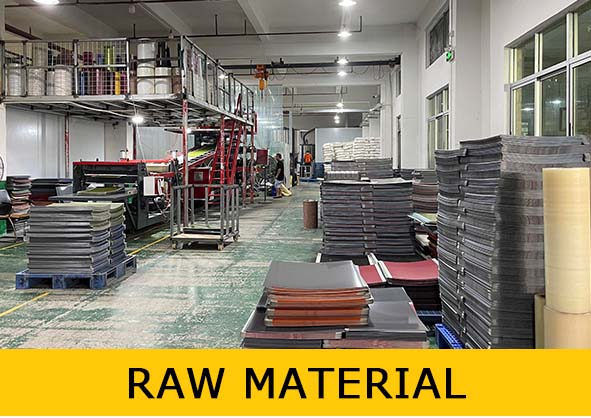
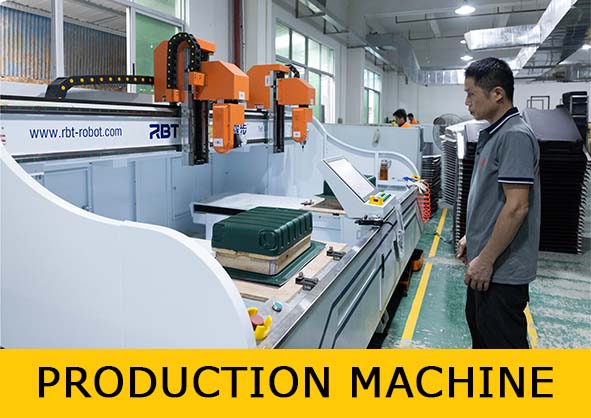
  • Specialized production machines matching your product category
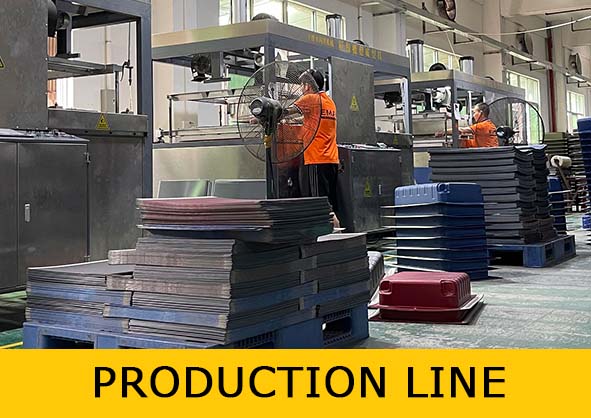
  • Running production lines and on-duty workers
  • Independent raw material warehouses
  • Dedicated quality control inspection areas
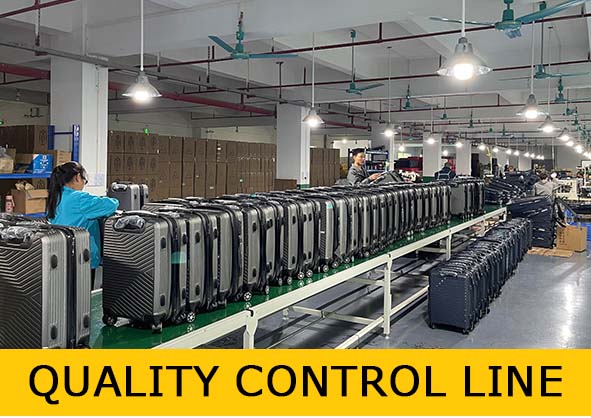
Traders continuously avoid audits with various excuses. Real manufacturers actively welcome customer visits. For overseas buyers, you can entrust third-party institutions such as Intertek to complete independent factory audits.
Critical Reminder: Never book an audit weeks in advance. Traders can temporarily borrow cooperative factories to disguise production sites. Sudden audits deliver the most authentic results, perfectly supporting you how to distinguish manufacturer from trader.

9. Verify Client References and Cooperation History

Stable customer resources distinguish manufacturer VS trader and help buyers master how to find reliable manufacturers in China.
Request 2 to 3 recent valid client contacts and verify the following information:
  • On-time delivery rate
  • Long-term product quality stability
  • Authentic factory qualification certification
Manufacturers willingly provide reference clients. Traders refuse to share cooperation records due to unstable customer relationships, which is another obvious sign to identify who is a trader in supply chain.

10. Analyze Cost Breakdown, Payment Terms & After-Sales Service

10.1 Cost Breakdown

Real manufacturers clearly master every production expense, including raw material costs, labor fees, mold charges, and packaging expenses. They can offer detailed cost breakdown sheets — a core distinction of manufacturer VS trader and a reference for how to find reliable manufacturers in China. Traders only know the final selling price and cannot explain specific production costs.

10.2 Payment Terms

  • Manufacturer: Adopt formal and strict payment terms, usually 30% deposit + 70% balance before shipment, to cover raw material risks.
  • Trader: Support flexible payment methods with low deposits or full advance payment to complete small deals quickly.

10.3 Technical & After-Sales Support

Manufacturers have professional engineers and technical teams to solve product defects, provide technical guidance, and offer long-term after-sales support. Traders only have sales staff without professional knowledge. They can only forward customer complaints to upstream factories without direct problem-solving capabilities.

Frequently Asked Questions (FAQ)

Q1: Are traders unreliable for B2B sourcing?

Not exactly. Traders are suitable for small trial orders, in-stock products, and non-customized goods. Manufacturers are better for bulk orders, private labeling, and long-term mass procurement.

Q2: Can one supplier be both manufacturer and trader?

Some comprehensive factories accept both bulk self-produced orders and third-party resale goods. You can judge their core business through business licenses and workshop verification.

Q3: What is the fastest way to spot a fake factory?

An unplanned real-time video call is the fastest method. Fake suppliers always delay or refuse on-site video inspections.

Conclusion

How to find reliable manufacturers in China and telling manufacturer VS trader apart is a compulsory skill for every global importer. By using these 10 practical methods—including MOQ checking, factory verification, license auditing, customization testing, lead time judgment, sudden video calls, factory audits, reference confirmation, cost analysis, and payment term comparison—buyers can effectively avoid overcharging, quality instability, and supplier fraud risks by mastering how to distinguish manufacturer from trader and clearly understanding who is a trader in supply chain
Whether you place small trial orders or large bulk shipments, accurate supplier identification optimizes your supply chain and reduces procurement costs. Choose verified manufacturers for long-term cooperation and select qualified traders flexibly for temporary small-batch purchases.

Contact Sourcing Pioneer to help you distinguish the manufacturer from trader: [email protected]

Read some of the articles on the Sourcing Pioneer:

Ready to share it with your friends? Let’s do it!

Facebook
LinkedIn
Pinterest
WhatsApp
Twitter
Reddit
Subscribe
Notify of
guest
0 Comments
Most Voted
Newest Oldest
Inline Feedbacks
View all comments
Want to Get competitive Price and Better Quality?

Our Professional supplier will help you connect with manufacturer directly and take care of you from sourcing to shipping.

             0 experience needed

For Beginners: Buy from Alibaba Guide

This guide would help newbie exporter understand importing skills and procedures better on Alibaba. Learn to be an expert now!

0 0 votes
show what
0
Would love your thoughts, please comment.x
()
x